← All articles Culture

Monasteries of Bodh Gaya

At a glance
  • International monasteries ring the Mahabodhi Temple, each in its national style.
  • The Thai, Bhutanese and Tibetan monasteries are highlights of an easy walking circuit.
  • Dress modestly, stay quiet during prayers, and ask before photographing monks.
  • Most monasteries open morning and late afternoon, closing at midday.
Monks in meditation in Bodh Gaya

Around the Mahabodhi Temple, Buddhist communities from across the world have built monasteries in their own national styles. Walking between them is like a tour of the Buddhist world in a single afternoon, from Thai gilt roofs to Tibetan murals to a Bhutanese dzong in miniature.
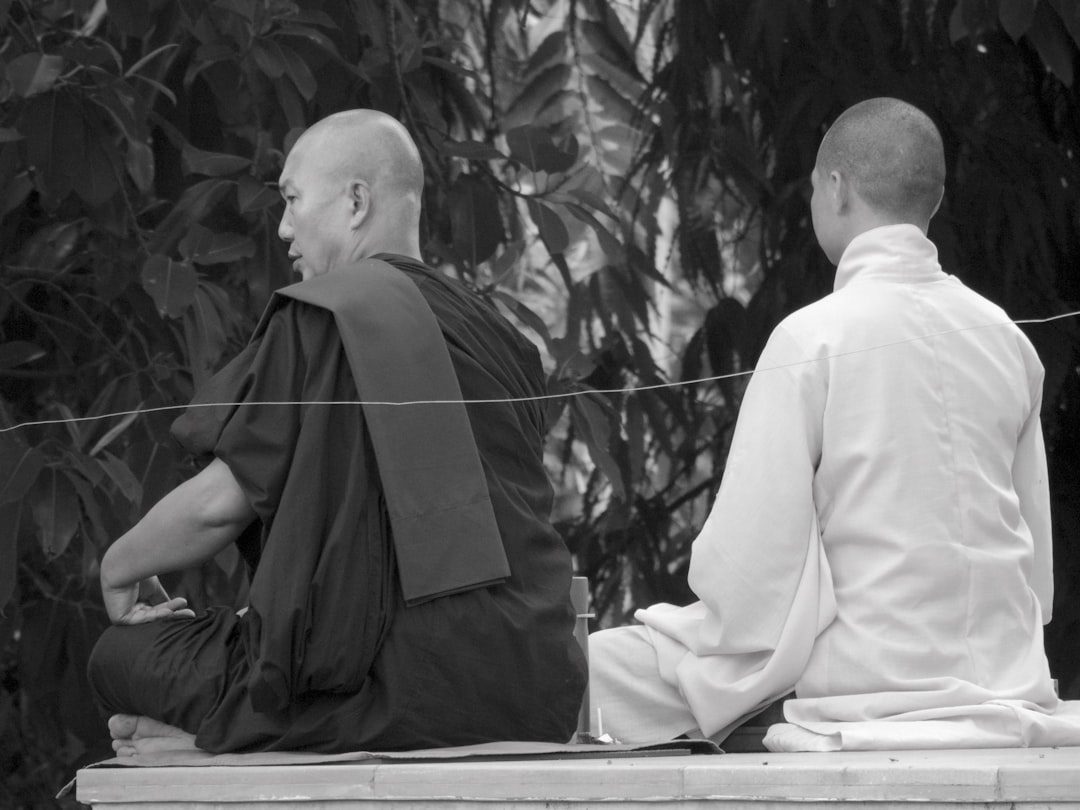
Monks in meditation in Bodh Gaya

Not to miss

The Thai Monastery, with its golden curved roof, is one of the most photographed. The Bhutanese monastery is richly painted inside with scenes many Bhutan Airlines travellers will recognise from Paro. The Tibetan and Japanese temples, and the towering Great Buddha statue nearby, round out an easy walking circuit.
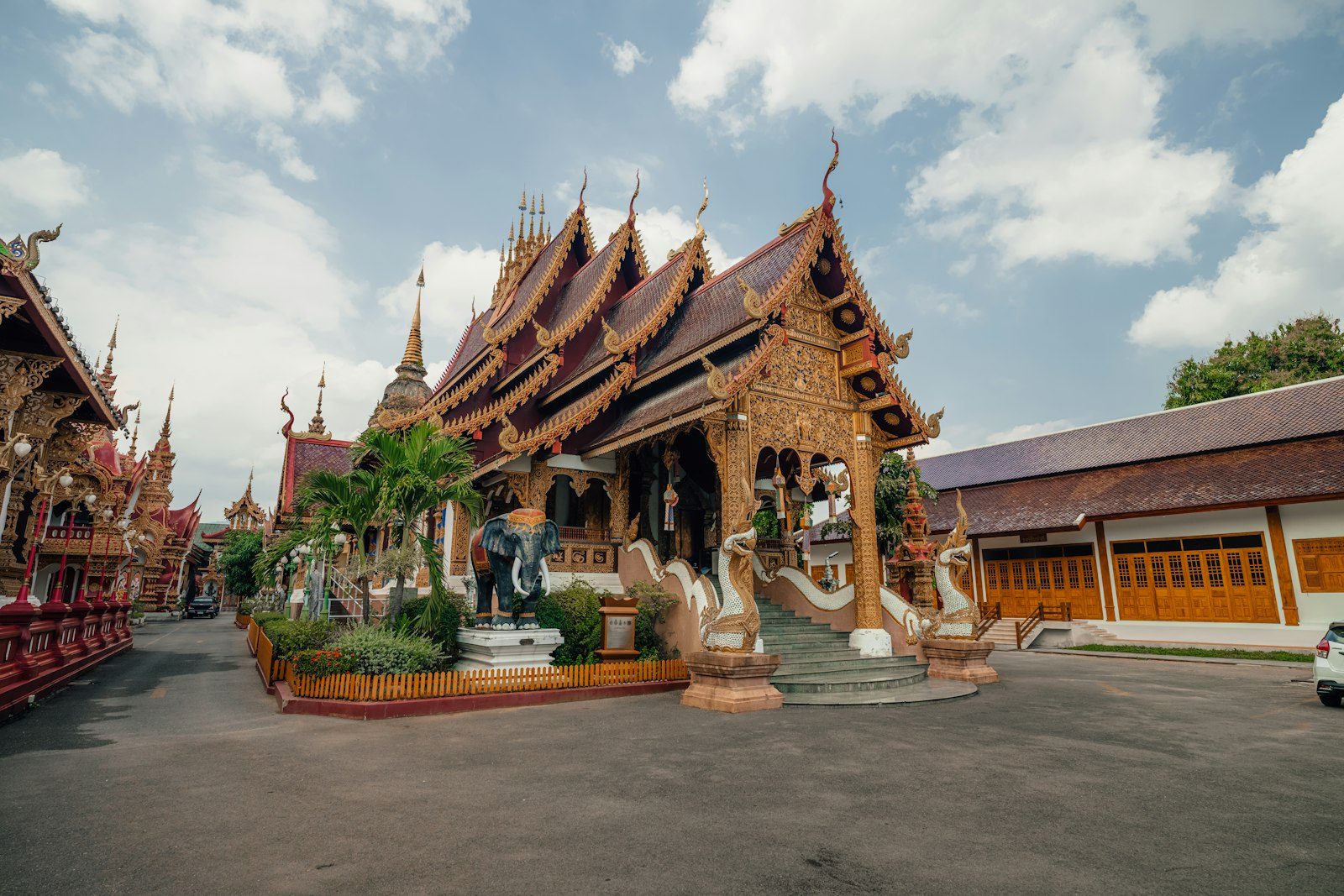
The Thai monastery in Bodh Gaya
Each monastery is a gift from one country to a shared holy place. Move quietly and you will feel why so many travellers linger for days.

Visiting respectfully

Keep quiet during prayers, remove your shoes where asked, dress modestly, and always ask before photographing monks. Most monasteries open in the morning and late afternoon and close during the midday heat. Pair this with our first visit to Bodh Gaya guide, and when your dates firm up, hold a Gaya fare.
Frequently asked questions

Can visitors enter the monasteries in Bodh Gaya?

Yes, most welcome respectful visitors. Remove your shoes where asked, keep quiet during prayers, and follow any photography restrictions.

How long do I need to see the monasteries?

A half-day is enough for the main circuit on foot, but many pilgrims spend several unhurried days in Bodh Gaya.

Sources

← All articles

Keep reading
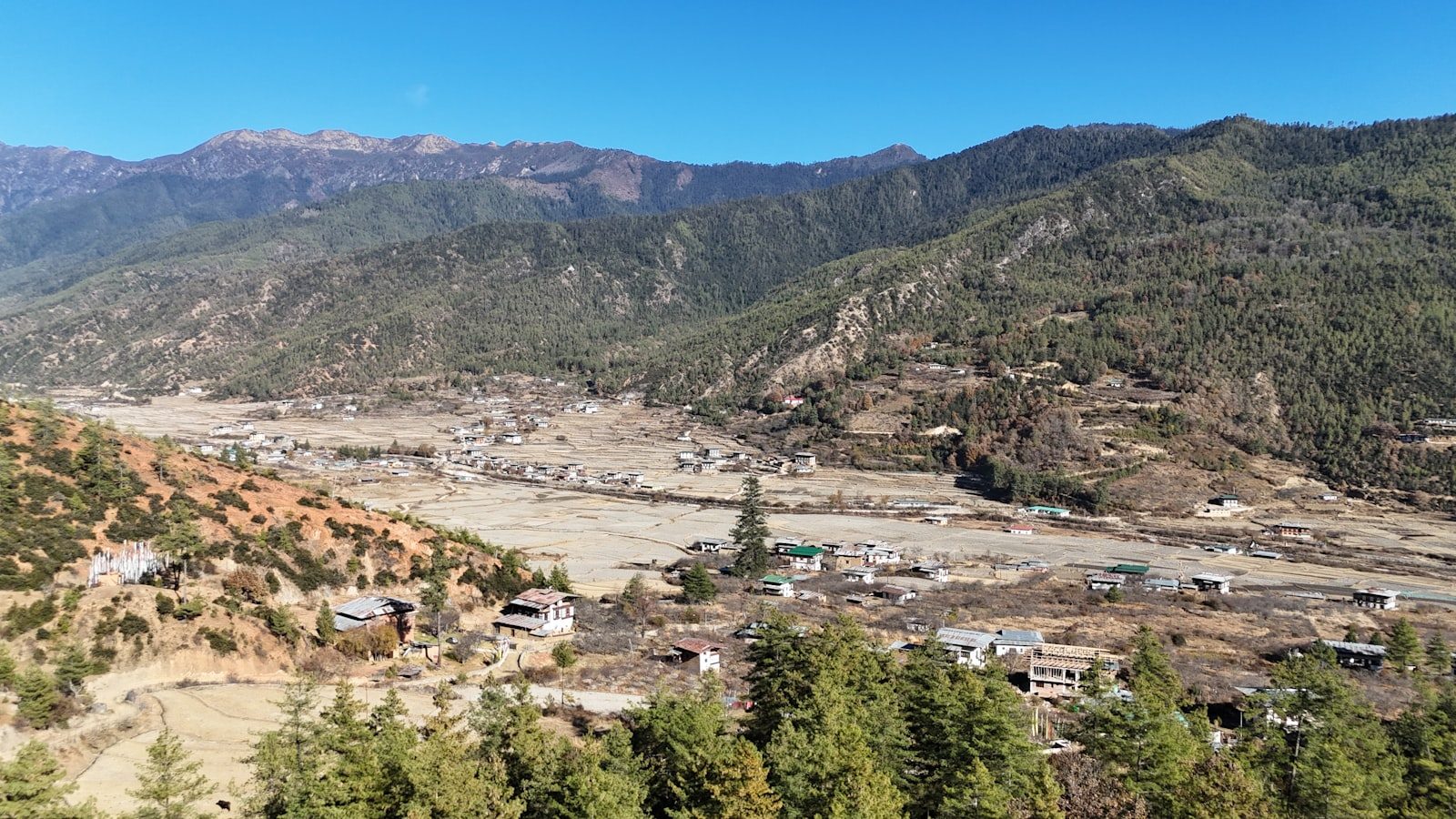
Paro valley in Bhutan with traditional farmhouses and pine forest below the Himalayan foothills
Culture

Bhutan Wellness Tourism Trends 2026: Paro Mindful Travel Guide

Discover Bhutan's 2026 wellness tourism trends in Paro, from traditional Dotsho hot stone baths to gSo-ba Rig-pa healing. Fly direct from Bangkok with Bhutan Airlines to experience ultimate Himalayan restoration.

Read Story →
Traditional Bhutanese farmhouse experience
Culture

Warm welcomes in the valley

From farmhouse stays to a traditional hot-stone bath, the Paro valley is full of small, genuine welcomes.

Read Story →